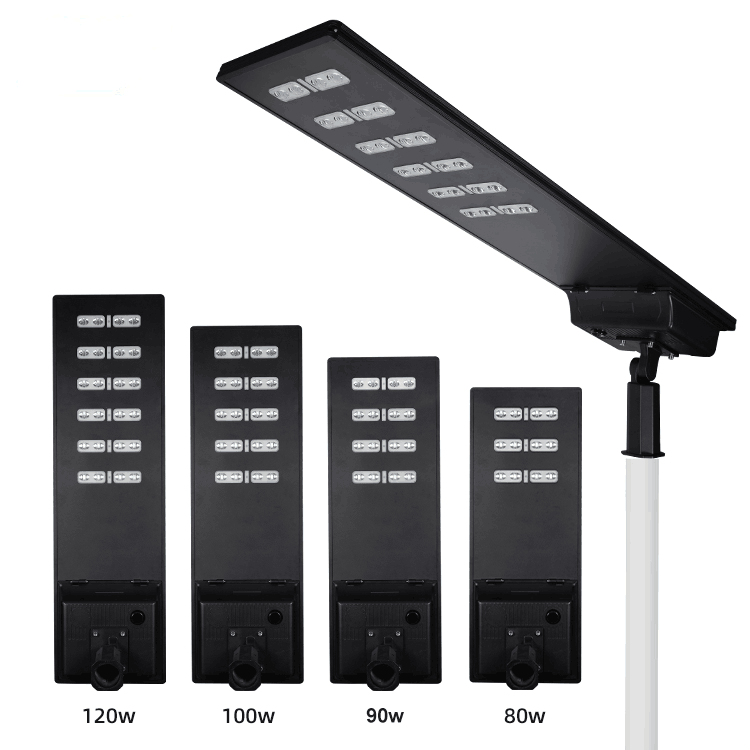
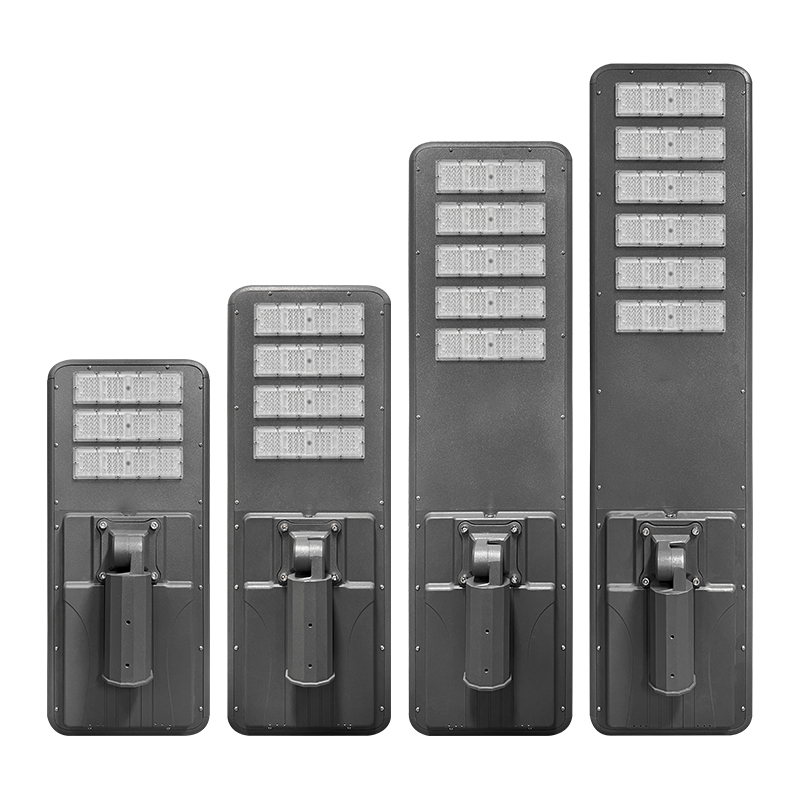
Solar-Powered Outdoor Street Light Fixtures: What Buyers Should Really Compare Before Purchasing
2026-05-20
Choosing the right solar-powered outdoor street light fixtures is not only about wattage or appearance. For municipal projects, industrial parks, rural roads, or coastal highways, the real difference usually comes from battery stability, corrosion resistance, charging efficiency, and long-term maintenance costs.
If you are comparing suppliers or evaluating technical specifications for a project, the points below are usually the ones that matter most after installation.
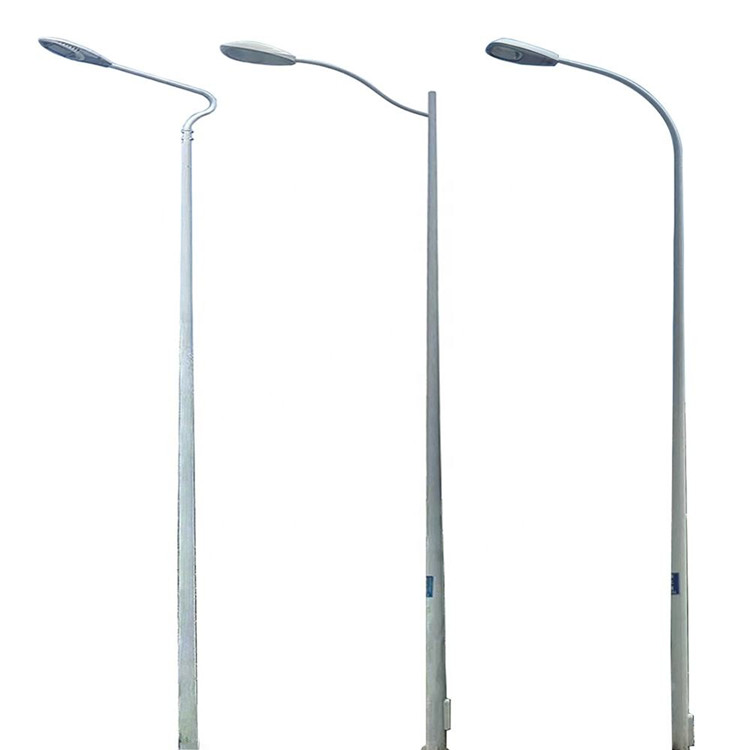
1. Core Technical Parameters That Actually Matter
1.1 Salt Spray Resistance and Housing Material
One of the most overlooked specifications is corrosion resistance. Many solar street lights look similar externally, but housing quality determines whether the fixture can survive in coastal or high-humidity environments.
Industrial-grade fixtures typically use die-cast aluminum housings with anti-corrosion treatment. Models tested under 1,000-hour salt spray conditions generally perform much better in:
· Coastal roads
· Ports and docks
· Tropical regions
· Municipal infrastructure projects
A stronger housing also improves heat dissipation, which directly affects battery lifespan and controller stability.
For projects in Southeast Asia, Africa, or South America where humidity and heavy rainfall are common, this parameter is often more important than simply increasing wattage.
1.2 Solar Panel Conversion Efficiency
Not all solar panels recharge at the same speed.
High-quality fixtures usually adopt A-grade monocrystalline silicon panels with conversion efficiency around 20%–21%. This becomes especially important during cloudy days or rainy seasons.
Why it matters:
· Faster daytime charging
· More stable night operation
· Better performance during monsoon seasons
· Reduced risk of battery depletion
Low-efficiency panels may work well during the dry season but become unstable during long rainy periods.
1.3 Battery Type and Energy Storage Stability
Many project failures are actually battery-related rather than LED-related.
For outdoor solar lighting, LiFePO4 batteries are now widely preferred over ordinary lithium batteries because they offer:
· Better thermal stability
· Longer cycle life
· Improved safety
· Lower maintenance frequency
In high-temperature environments, LiFePO4 batteries are far more reliable than standard lithium-ion options.
For municipal or commercial projects, buyers usually pay attention to:
· Battery capacity
· Charging cycles
· Temperature resistance
· Backup autonomy during rainy days
A well-designed system should normally support 3–5 consecutive rainy nights without complete shutdown.
1.4 MPPT Controller Performance
The controller is the “brain” of the solar street lighting system.
A smart MPPT controller improves charging and discharging efficiency by continuously optimizing solar energy harvesting. This becomes critical in regions where sunlight conditions change frequently.
Good controllers can also provide:
· Intelligent dimming
· Time-based brightness adjustment
· Motion sensing
· Battery protection
· Overcharge and over-discharge protection
In practical operation, controller quality often determines whether a street light can maintain stable brightness after several years.
1.5 LED Optical Design and Beam Angle
Brightness alone does not guarantee good road lighting.
For roadway projects, beam distribution matters more than raw lumen output. Professional outdoor fixtures often use:
· High-lumen SMD 5050 LEDs
· Precision optical lenses
· 75°×150° beam angles
This optical design helps:
· Improve roadway uniformity
· Reduce dark spots
· Minimize light pollution
· Increase lighting efficiency per watt
For highways, parking lots, and municipal roads, proper beam distribution can reduce the total number of fixtures required.
2. Typical Application Scenarios
2.1 Municipal Roads and Rural Infrastructure
Solar outdoor street light fixtures are widely used in municipal road upgrades where grid expansion costs are high.
Compared with traditional street lighting systems, solar fixtures eliminate:
· Cable trenching
· Underground wiring
· Transformer installation
· Electricity bills
For rural or island regions, installation becomes significantly faster and less expensive.
2.2 Coastal and High-Humidity Projects
Coastal projects create serious challenges for ordinary lighting systems due to salt corrosion.
Industrial-grade anti-corrosion solar fixtures with die-cast aluminum housings and salt spray certification are commonly used in:
· Seaside highways
· Fishing ports
· Coastal industrial parks
· Tourism areas
Longer service life means fewer replacement costs and reduced maintenance interruptions.
2.3 Industrial Parks, Farms, and Parking Areas
Industrial facilities often need reliable lighting without complicated electrical construction.
Solar fixtures are frequently installed in:
· Factory roads
· Logistics parks
· Agricultural zones
· Parking lots
· Warehouses
Motion-sensing functions also help reduce energy consumption while maintaining nighttime safety.
3. Practical Selection Advice for Buyers
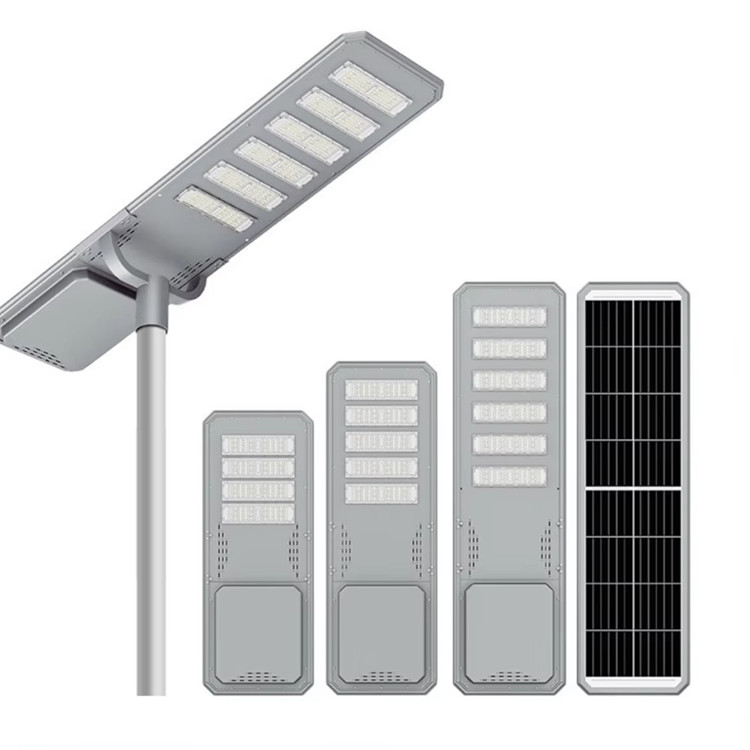
3.1 Do Not Select Fixtures by Wattage Alone
A “200W” solar street light from one supplier may perform worse than a properly engineered 100W system from another factory.
Instead of focusing only on wattage, compare:
· Actual lumen output
· Battery capacity
· Solar panel efficiency
· Controller specifications
· Rainy-day autonomy
Requesting Dialux simulations or IES files is also useful for larger projects.
3.2 Match the System to Local Climate Conditions
Projects near the equator usually receive strong sunlight, but heavy rainfall and humidity can still affect performance.
For tropical regions, prioritize:
· Corrosion-resistant housing
· High-efficiency monocrystalline panels
· LiFePO4 batteries
· Intelligent MPPT charging systems
For cold regions, battery low-temperature performance becomes more important.
4. Long-Term Value Is Usually More Important Than Initial Price
The cheapest fixture is not always the lowest-cost option over five years.
For government and commercial projects, long-term operational stability usually has greater impact than initial procurement price.
A properly designed solar street lighting system can help reduce:
· Maintenance labor
· Power infrastructure costs
· Replacement frequency
· Operational downtime
That is why many contractors now evaluate solar street lights based on total lifecycle performance rather than only unit cost.
If you are planning a municipal, industrial, or commercial lighting project, it is worth requesting detailed technical data, photometric files, and climate-based lighting recommendations before finalizing procurement.
5. FAQ
LiFePO4 batteries are currently considered one of the best options because they offer longer lifespan, better thermal stability, and improved safety compared to standard lithium batteries.
5.2 How many rainy days can a solar street light support?
Most high-quality commercial systems can support 3–5 consecutive rainy days depending on battery capacity, local sunlight conditions, and lighting mode settings.
5.3 Why is salt spray testing important for outdoor solar lights?
Salt spray testing evaluates corrosion resistance. Fixtures tested for 1,000 hours are generally more suitable for coastal or high-humidity environments.
5.4 What beam angle is suitable for roadway lighting?
Beam angles such as 75°×150° are commonly used for road lighting because they provide wide roadway coverage while reducing light waste and glare.
5.5 Are monocrystalline solar panels better than polycrystalline panels?
In most commercial outdoor lighting projects, monocrystalline panels provide higher conversion efficiency and better charging performance, especially in low-light conditions.
5.6 Can solar street lights work during monsoon seasons?
Yes, if the system includes high-efficiency solar panels, intelligent MPPT controllers, and sufficient LiFePO4 battery storage capacity. Proper system sizing is important for reliable rainy-season operation.