Lithium Iron Phosphate (LiFePO4) Batteries in All-in-One Solar Street lights
2025-11-26
Lithium Iron Phosphate (LiFePO4) Batteries in All-in-One Solar Street lights
In the field of new energy lighting, solar street lights have become widely popular due to their advantages of zero electricity costs and zero pollution. The new lithium battery, as its core energy storage component, directly determines the street light's range, lifespan, and stability. Compared to traditional lead-acid batteries, the dedicated lithium batteries used in all-in-one solar streetlights have achieved comprehensive upgrades in energy density, safety, and weather resistance, becoming a key power source for the efficient operation of solar lighting systems.
I. Core Advantages: Why Choose New Lithium Iron Phosphate Batteries?


The core requirements for lithium iron phosphate batteries used in all-in-one solar street lights are "high energy storage and long lifespan." The new lithium battery precisely matches these needs, with the main advantages being:
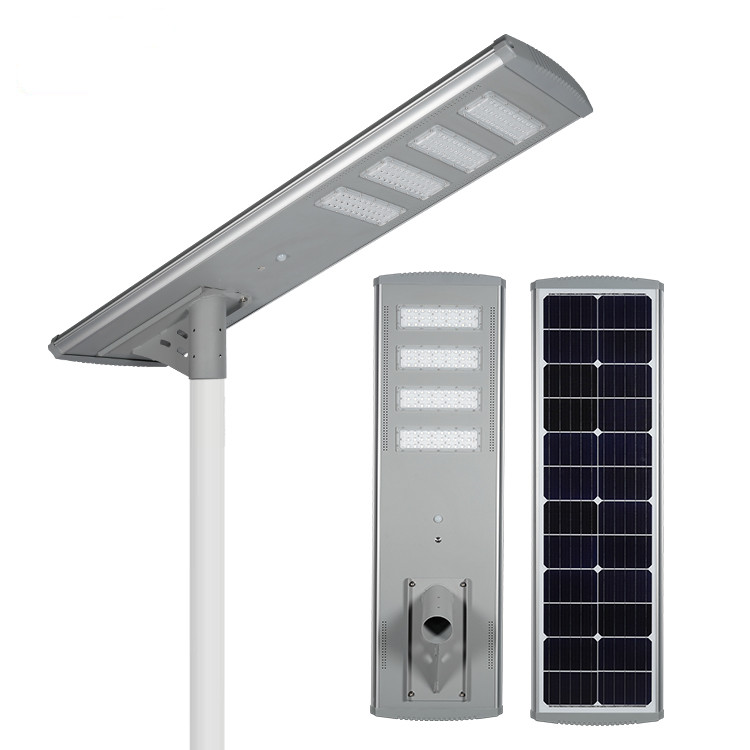
1. High Energy Density and More Flexible Installation: The new lithium battery's energy density can reach 150-200Wh/kg, which is 2-3 times that of traditional lead-acid batteries. This means that for the same energy storage needs, lithium batteries are smaller and lighter (for example, a 100Ah lithium battery weighs only 1/3 the weight of a lead-acid battery). This not only reduces the load on streetlight poles but also supports "integrated design"—the battery can be directly embedded into the pole or light fixture without the need for a separate battery compartment, making it particularly suitable for urban roads, scenic areas, and other scenarios with high installation space requirements.
2. Lithium iron phosphate batteries offer longer cycle life and better cost-effectiveness in all-in-one solar street lights. High-quality new lithium batteries have a cycle life (full charge/discharge cycles) of over 1500-2000 times. Based on the typical usage frequency of solar street lights (charging during the day and discharging at night), their lifespan can stably reach 5-8 years. In contrast, traditional lead-acid batteries have a cycle life of only 300-500 times and typically need to be replaced every 2-3 years. From a long-term cost perspective, although lithium batteries have a slightly higher initial purchase price, they do not require frequent replacements, resulting in a higher overall cost-effectiveness.
3. Lithium iron phosphate batteries, used in all-in-one solar street lights, exhibit strong weather resistance and adaptability to complex environments. Solar streetlights are mostly installed outdoors, facing harsh weather conditions such as high and low temperatures, humidity, rain, and snow. The new lithium battery has passed rigorous environmental adaptability testing, with an operating temperature range covering **-30℃~60℃**. At low temperatures, "preheating technology" prevents capacity decay, and at high temperatures, "over-temperature protection circuit" prevents bulging. Even in the frigid northern regions or the hot and humid southern environments, it maintains stable charging and discharging efficiency, solving the pain points of traditional batteries being "not durable in winter and easily damaged in summer."
4. Lithium iron phosphate batteries offer high safety and greater peace of mind when used in all-in-one solar street lights.

Addressing safety concerns about lithium batteries, the new product features triple protection through materials, structure, and circuitry: the positive electrode uses lithium iron phosphate material (with a thermal decomposition temperature as high as 800℃, far exceeding the 200℃ of ternary lithium), the casing uses flame-retardant ABS material, and it is equipped with a quadruple protection chip for overcharge, over-discharge, short circuit, and over-temperature, effectively preventing risks such as charging overload and short circuit fires. Furthermore, products from reputable manufacturers will pass international safety certifications such as UN38.3, CE, and RoHS, ensuring reliability for long-term outdoor use.
II. Key Performance Parameters of Lithium Iron Phosphate Batteries in All-in-One Solar Street lights: What to Focus On When Purchasing? When selecting lithium batteries for solar streetlights, it's crucial to consider the streetlight's power, lighting duration, and local sunshine conditions. Pay particular attention to the following core parameters to avoid issues like "falsely advertised capacity" and "inconsistent performance":
Lithium iron phosphate batteries determine the streetlight's range (unit: Ah).
Calculate using "streetlight power × lighting duration ÷ system voltage." For example, a 30W streetlight operating for 8 hours daily at a 12V system voltage requires a capacity of (30 × 8) ÷ 12 = 20Ah. It's recommended to allow for a 20% redundancy, choosing 24Ah or higher.
Matching the solar controller and light fixture (unit: V). Common voltages are 12V and 24V. The batteries must match the voltage of the solar panel, controller, and light fixture to avoid mismatches that could damage the equipment.
Affecting daytime energy storage speed (unit: %). High-quality products should have a charging efficiency ≥90%. In areas with insufficient sunshine, prioritize high-charging-efficiency models to ensure rapid recharging even on cloudy days.
Assessing the Usable Capacity Ratio of a Battery
It is recommended to choose products with a DOD ≥ 80% (i.e., a 100Ah battery can actually use 80Ah) to avoid over-discharge and shorten its lifespan.
Idle Power Loss (Unit: %/Month)
The lower the better. High-quality lithium batteries have a monthly self-discharge rate ≤ 3%, which means they can retain enough power to keep the lights on even after 7-10 consecutive days of cloudy or rainy weather.
III. Application Scenarios and Installation & Maintenance Recommendations for Lithium Iron Phosphate Batteries in All-in-One Solar Street lights.
The new lithium batteries, with their flexible installation methods and strong weather resistance, can adapt to various outdoor lighting needs: Urban Roads/Residential Areas: Integrated lithium batteries (embedded in the light pole) are recommended. They are aesthetically pleasing and space-saving, compatible with 30-60W streetlights, and meet 6-10 hours of lighting requirements.
Rural Roads/Remote Areas: Select high-capacity, high-weather-resistant models (e.g., 100Ah and above) to cope with unstable sunlight and inconvenient maintenance, ensuring normal lighting for more than 5 consecutive days of cloudy or rainy weather.
Scenic Spots/Parks: Prioritize products with a waterproof rating of IP67 and above (capable of withstanding rain immersion), paired with warm-light fixtures, balancing energy storage performance and aesthetic appeal.
Installation: Ensure the battery compartment (or integrated area) is well-ventilated and dry, avoiding direct sunlight or water accumulation; when wiring, distinguish between positive and negative terminals (red for positive, black for negative), and tighten the terminals to prevent poor contact;
Daily Maintenance: Inspect the battery appearance every 3-6 months (for bulging or leakage), and clean the terminals to prevent oxidation; when not in use for extended periods, maintain the battery charge at 50%-70%, avoiding full or low-charge storage;
Replacement Notice: If the streetlight's illumination time is significantly shortened (e.g., from 8 hours to below 4 hours), it quickly loses power after charging, or the battery shows signs of bulging or leakage, replace it promptly to avoid affecting the operation of the entire solar system.
Choosing lithium iron phosphate batteries for all-in-one solar streetlights makes them "more durable and worry-free"
As the "heart" of solar street lights, the new lithium battery, with its high energy density, long lifespan, and strong weather resistance, solves many pain points of traditional energy storage components, making it especially suitable for outdoor scenarios with high requirements for installation space, lifespan, and environmental adaptability. When purchasing, pay attention to core parameters such as "capacity, voltage, and depth of discharge", and prioritize products from reputable manufacturers with safety certifications. Perform basic maintenance during daily use to fully leverage their performance advantages.