Solar Street Lights: The Complete Guide for Smarter, Greener Outdoor Lighting

2026-03-23

Solar Street Lights: The Complete Guide for Smarter, Greener Outdoor Lighting

As cities and communities worldwide push toward sustainability, solar street lights have emerged as one of the most practical and cost‑effective lighting solutions for roads, parking lots, campuses, and public spaces. Unlike traditional grid‑powered fixtures, solar street lights generate and store their own energy, reducing electricity costs, lowering carbon emissions, and simplifying installation. This guide breaks down how they work, what to look for when buying, and where they deliver the most value.


How Solar Street Lights Work

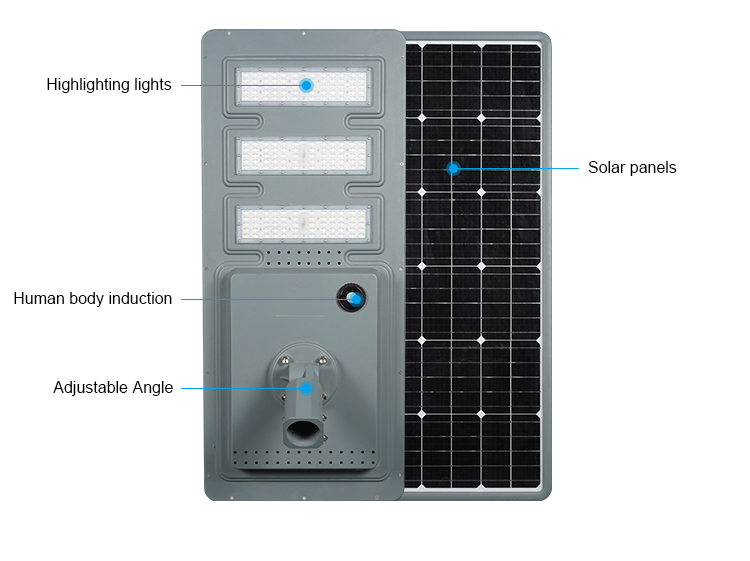
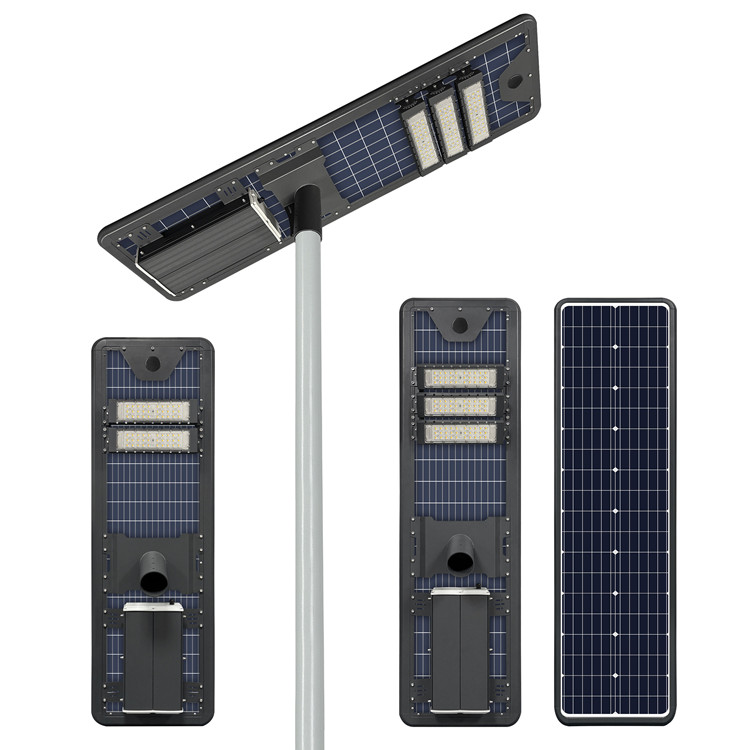
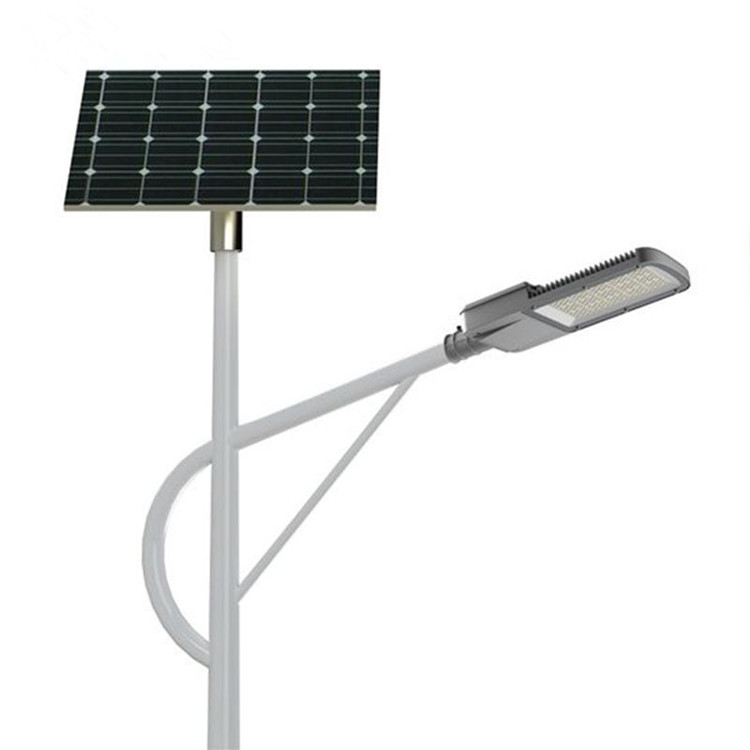
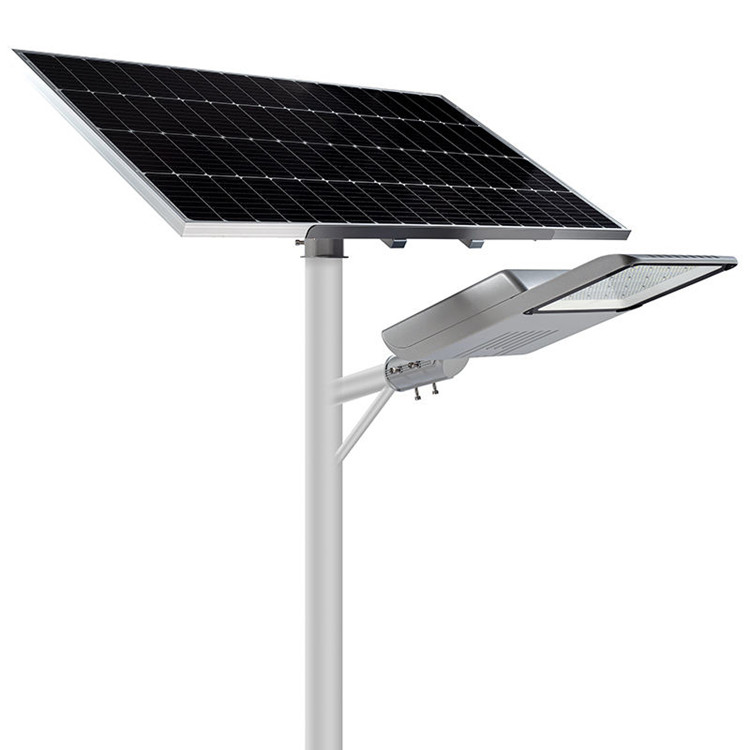
A typical solar street light system consists of five core components:

  1. Solar Panel

    Usually monocrystalline or polycrystalline silicon, the panel converts sunlight into direct current (DC) electricity during the day.

  2. LED Luminaire

    High‑efficiency LEDs provide bright, uniform illumination while consuming far less energy than metal halide or high‑pressure sodium lamps.

  3. Rechargeable Battery

    Lithium‑ion or LiFePO₄ batteries are most common. They store the energy generated by the panel and power the light at night.

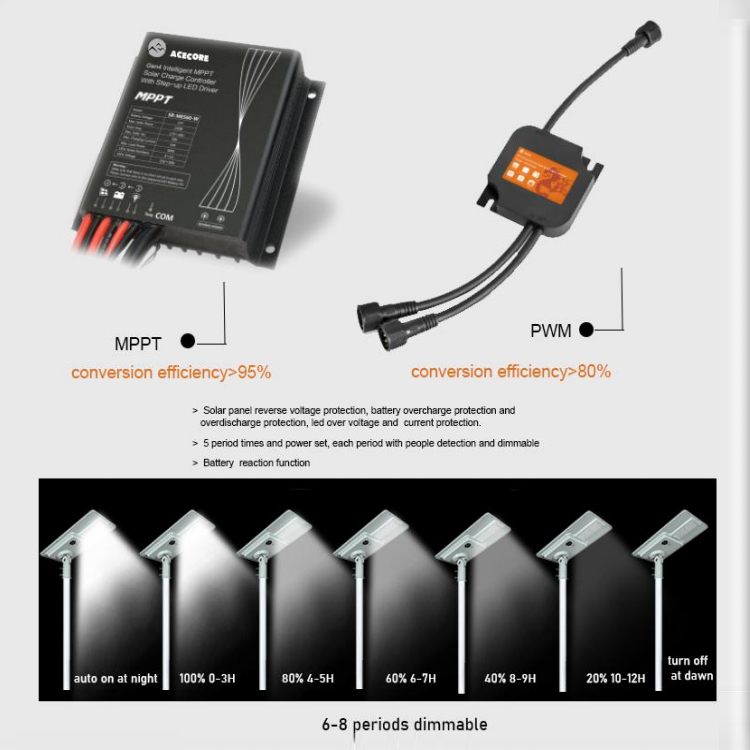
  4. Charge Controller

    This component regulates voltage and current between the panel and battery, preventing overcharging or deep discharge, which extends battery life.

  5. Pole and Mounting Hardware

    Galvanized steel poles and corrosion‑resistant brackets ensure stability in wind, rain, and coastal environments.

During daylight hours, the panel charges the battery. After sunset, the controller automatically activates the LED using stored power, often with programmable dimming or motion‑sensor modes.

sensor street light


Key Benefits of Solar Street Lights

1. Zero Electricity Costs

Because the system is entirely powered by sunlight, there are no monthly utility bills. For municipalities and businesses managing hundreds of fixtures, this can translate into tens of thousands of dollars saved annually.

2. Easy, Low‑Impact Installation

No trenching, cabling, or grid connection is required. This makes solar street lights ideal for remote areas, rural roads, construction sites, and temporary installations.

3. Energy Independence & Resilience

Solar street lights continue operating during grid outages. Many models include backup power modes or adaptive dimming to ensure multiple cloudy days do not leave streets dark.

4. Reduced Maintenance

Modern systems use long‑life LEDs (50,000+ hours) and advanced batteries (5–10 years). With fewer components exposed to grid faults, maintenance cycles are significantly longer than traditional lighting.

5. Sustainability & Compliance

Solar lighting supports green building certifications such as LEED and helps municipalities meet renewable energy targets. It also reduces light pollution when properly designed with shielded optics.

150 watt solar street light


What to Consider Before Buying

Brightness and Light Distribution

Look for lumens, not just watts. A 6,000‑lumen solar street light may suffice for a residential path, while arterial roads typically require 10,000–20,000 lumens. Pay attention to optics design—Type II or Type III distributions are common for roadways, while wider spreads suit parking areas.

Battery Capacity and Autonomy

Battery capacity (measured in Ah or Wh) determines how many nights the light can run without sun. In most regions, 3–5 days of autonomy is recommended. For example, a 12V 40Ah lithium battery can support a 30W LED for roughly 4–5 nights.

Solar Panel Wattage

Panel size should match the load. As a rule of thumb, the daily energy consumption of the LED should be covered by about 4–5 peak sun hours. A 60W LED running 12 hours per night requires roughly 720Wh/day, so a 120–150W solar panel is advisable depending on location.

Build Quality and Certifications

Choose fixtures with:

  • IP65 or higher ingress protection

  • IK08 or IK10 impact resistance

  • CE, RoHS, and FCC compliance

  • Salt‑spray resistance for coastal projects

Smart Features

Many modern solar street lights include:

  • Motion sensors (dim to 30% until movement is detected)

  • Adaptive lighting schedules

  • Remote monitoring via GSM or LoRaWAN

  • Automatic dusk‑to‑dawn operation

  • on lighting


Common Applications

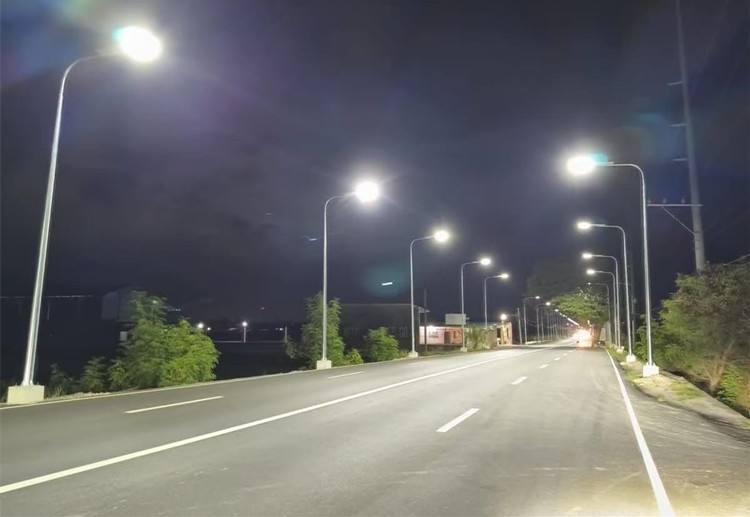
  • Urban Roads & Highways: Reduce municipal energy budgets and improve safety.

  • Rural & Off‑Grid Communities: Provide reliable lighting where grid extension is expensive.

  • Parking Lots & Campuses: Improve visibility and security without complex wiring.

  • Parks & Trails: Enhance pedestrian safety with minimal environmental disruption.

  • Construction Sites: Temporary lighting that moves with the project.


Installation and Maintenance Tips

  • Panel Orientation: Face true south (in the northern hemisphere) with a tilt angle close to the site’s latitude for maximum annual yield.

  • Avoid Shading: Even partial shade on the panel can drastically reduce charging efficiency.

  • Regular Cleaning: Dust, bird droppings, or snow on the panel can cut output by 20–30%.

  • Battery Checks: Inspect terminals and state of charge annually, especially in extreme temperatures.


Final Thoughts

Solar street lights are no longer a niche product—they are a proven, mainstream solution for sustainable outdoor lighting. With rapid advances in LED efficiency, battery chemistry, and smart controls, today’s systems deliver reliability that rivals or exceeds traditional grid lighting in many scenarios. Whether you are upgrading municipal infrastructure or illuminating a private access road, understanding these fundamentals will help you choose a solar street light that is efficient, durable, and truly cost‑effective over its lifecycle.


We are online 24 hours and ready for your consultation!

Enjoy our professional services.Get the items you want here.

×

Contact Us

*We respect your privacy. When you submit your contact information, we agree to only contact you in accordance with our Privacy Policy.

×

Inquire

*Name
*Email
Company Name
Tel
*Message

*We respect your privacy. When you submit your contact information, we agree to only contact you in accordance with our Privacy Policy.

By continuing to use the site you agree to our privacy policy Terms and Conditions.

I agree